Starting with Design and Ending in Maintenance: Discover the Wide Range of Outdoor Services We Supply
Landscaping solutions involve a extensive array of offerings, from preliminary design ideas to ongoing maintenance. Each phase is vital in building and maintaining an outdoor area that matches personal preferences and environmental considerations. By comprehending the procedure and alternatives at hand, property owners can choose wisely that enhance both visual appeal and practical use. What particular features should one take into account to ensure a successful landscape transformation?
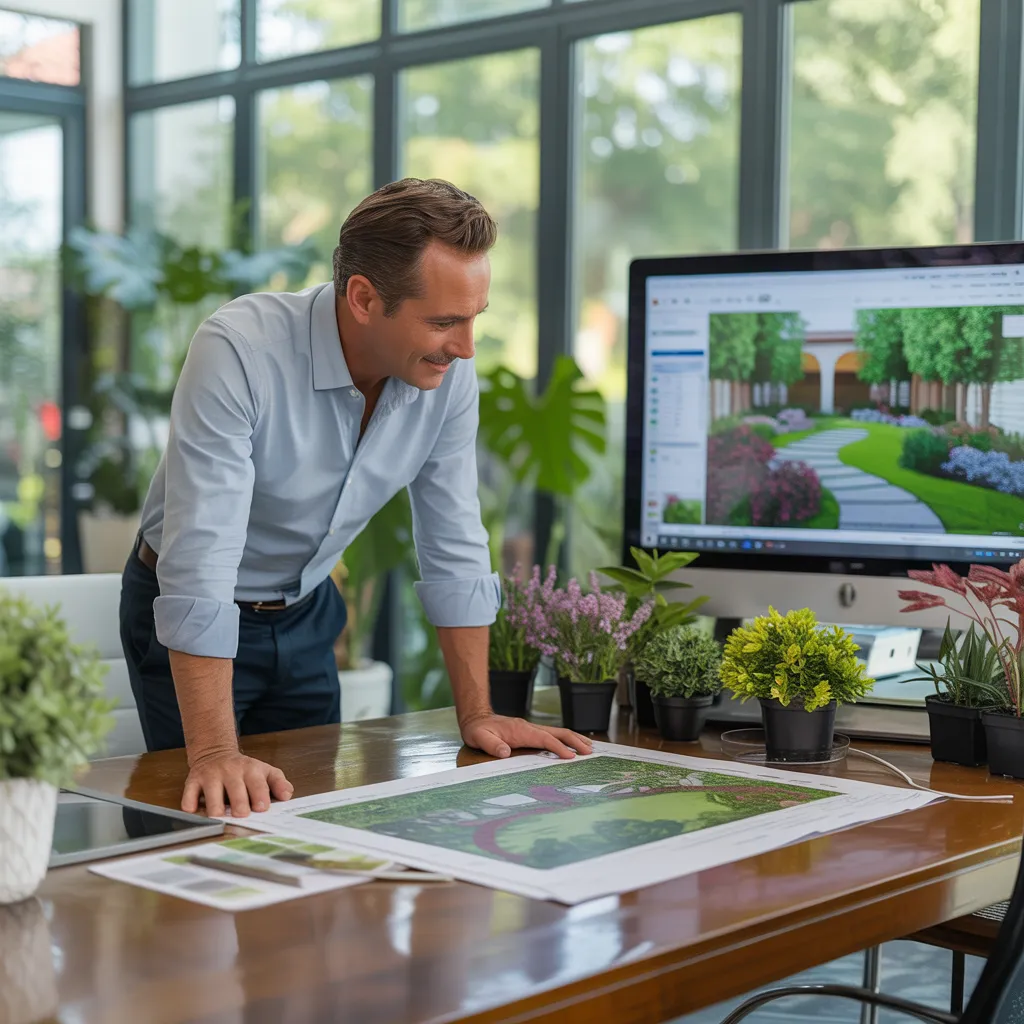
How to Establish Your Landscape Design Plan
Establishing a landscape design plan is vital for creating an outdoor space that showcases personal style and satisfies functional requirements. This process starts with assessing the existing environment, including soil quality, light conditions, and weather factors. Understanding these factors helps in selecting appropriate vegetation and resources.
Next, individuals should consider their lifestyle and how they want to utilize the space. Whether for entertaining, gardening, or relaxation, these activities will determine design choices.
Design direction can be taken from various sources, such as magazines, online platforms, or nature itself. Making a mood board can assist with clarifying your preferences.
Ultimately, defining a budget is vital, as it impacts plant selection, hardscape alternatives, and design intricacy. By blending these factors, people can establish a clear vision for landscaping that harmonizes aesthetic value with functionality, enabling a successful landscape transformation.
Designing the Exceptional Garden Aesthetic
Once a clear design vision has been established, the following step entails formulating the optimal landscape design. This endeavor necessitates a combination of artistic vision and functional considerations. Effective landscape design starts with assessing the site's unique characteristics, such as topography, soil type, and sunlight exposure. These factors inform the layout, confirming the design strengthens the ecological appeal of the environment.
A successful scheme integrates multiple elements, including hard landscaping features like patios and pathways, alongside softscaping components such as lawns and gardens. Strategic placement of these components creates a harmonious flow, directing visitors through the space. Additionally, attention to scale and proportion ensures that each element works well with the others, avoiding congestion or disparity.
Ultimately, the composition should reflect the client's inclinations while maintaining efficiency. By systematically planning every feature, a outdoor arrangement can turn the outdoor space into a spectacular and charming atmosphere, ready to be experienced year-round.
Finding Botanical Species That Perform Excellently in Your Climate
Determining botanical options that excel in a specific climate requires a extensive awareness of zone classifications, which indicate which plant varieties can resist local temperature ranges. Likewise, stressing local flora can enhance ecological balance and resilience in the outdoor environment. Seasonal planting points also take an essential position in ensuring extended success and health of the garden.
Understanding Plant Hardiness Regions
Comprehending hardiness zones is necessary for landscape professionals and landscapers seeking to grow plants that will thrive in their unique weather patterns. These zones, defined by the USDA, group areas based on typical lowest temperatures in winter. By recognizing the hardiness zone of a location, gardeners can choose plants that are more likely to survive local climatic conditions. Each zone is assigned a number, with further divisions showing small temperature fluctuations. For example, a plant intended for Zone 5 may not do well in Zone 4, where winters are colder. Knowing these zones aids in planning plant selection, resulting in healthier landscapes and minimizing chances of plant failure. This information ultimately contributes to a more resilient and flourishing garden or landscape.
Native Plant Selection
While many landscapers may be inclined to select non-native species for their landscapes, choosing indigenous plants often produces better results. Native plants are adapted to regional weather and earth conditions, needing reduced irrigation and upkeep compared to non-native varieties. They provide critical environments for local wildlife, promoting species diversity and environmental equilibrium. Choosing native species can also minimize insect problems, as these plants are naturally resistant to local diseases. Additionally, incorporating native plants improves the aesthetic appeal of a landscape by showcasing the region's natural beauty. Landscapers are encouraged to research the specific native plants appropriate to their region, ensuring a thriving garden that aligns with ecological responsibility. Ultimately, indigenous species choice creates a balanced and robust landscape.
Important seasonal planting considerations for your garden
In the process of preparing a garden, gardeners must take into account the seasonal climate variations that affect plant growth and health. Choosing plants that do well in specific climate zones guarantees peak performance and longevity. For example, in warmer regions, drought-resistant plants might be preferred, while cooler areas favor hardy perennials capable of withstanding frost. Knowing local weather patterns, including rainfall and temperature fluctuations, aids in choosing the suitable species. Moreover, seasonal changes control planting times; spring suits many annuals, and fall works well for certain perennials. By aligning plant choices with local climate conditions, gardeners can cultivate colorful, sustainable landscapes that thrive year-round, reducing upkeep and enhancing the garden’s aesthetic value.
Construct Your Perfect Landscape Oasis
Crafting a aspirational backyard paradise involves careful consideration of tailored design solutions that reflect individual preferences. Functional outdoor features, including seating areas and meal preparation areas, elevate functionality while enhancing the overall aesthetic. United, these aspects reshape a yard into a personalized retreat.
Tailored Design Resolutions
Customized design solutions provide homeowners the chance to transform their outdoor spaces into personalized retreats. By taking into account individual preferences, lifestyles, and environmental factors, landscaping professionals develop unique designs that embody the homeowner's vision. These solutions include a range of elements, such as plant selection, hardscaping, and layout adjustments, ensuring each outdoor space is both aesthetically pleasing and functional. Collaborating with clients, designers integrate specific themes, colors, and materials, which enhances the overall appeal. The emphasis is on crafting harmonious environments that blend seamlessly with the home while meeting the homeowner's practical needs. Ultimately, customized design solutions not only improve the beauty of outdoor areas but also create a sense of connection with nature, enriching everyday experiences.
Outdoor Characteristics That Work Well
Valuable outdoor amenities maintain an essential role in enhancing the operability and enjoyment of outdoor living spaces. These constituents, such as patios, decks, and outdoor kitchens, generate inviting areas for relaxation and fraternizing. Embracing features like fire pits and water elements can present both aesthetic appeal and advantageous impacts, permitting homeowners to relish their yards perpetually. Concurrently, well placed seating and dining areas stimulate gatherings, while pathways and lighting bolster accessibility and welfare. sustainable options, like rain gardens and permeable paving, promote environmental vitality. To conclude, valuable outdoor amenities reimagine a yard into a adaptable space that fulfills diverse purposes, aiding homeowners to amplify their outdoor experience while nurturing a tranquil balance between nature and design.
How Can You Transform Your Landscaping Into a More Eco-Friendly Area?
How can residents redesign their outdoor spaces into green landscapes? One practical approach is to add native plants, which need less study water and upkeep while assisting local wildlife. Using drought-resistant species can greatly minimize water consumption, making landscapes more eco-friendly.
Another technique involves implementing rain gardens to manage stormwater overflow effectively, allowing rainwater to absorb into the ground rather than leading to pollution. Homeowners can also go with eco-friendly fertilizer alternatives and pest control methods to decrease chemical usage, encouraging a healthier ecosystem.
Porous surface products used for pathways and driveways improve water seepage, curtailing erosion and runoff. Additionally, installing compost containers supports waste recycling and enriches soil quality.
Important Seasonal Landscape Maintenance
What critical duties guarantee a landscape stays vibrant and thriving throughout the year? Year-round landscape maintenance includes a range of vital activities that promote peak development and aesthetics. Regular mowing makes certain that grass remains thriving and at an optimal height, while seasonal fertilization supplies essential nutrients. Pruning shrubs and trees not only preserves their shape but also encourages robust development and decreases the risk of disease.
Weeding is an additional significant duty since it stops conflict for supplies among plants. Mulching helps keep soil moisture and reduces weed growth, enhancing the overall look of garden beds. In addition, seasonal assessments of irrigation systems guarantee efficient water use, preventing waste and promoting sustainability.
Redesigning Your Space: Remarkable Before and After
A properly cared-for landscape creates the platform for major changes that can elevate any outdoor space. Landscaping services are experts in revitalizing settings, showcasing remarkable before-and-after results that amaze. These projects commence with a detailed assessment of the present landscape, identifying sections needing attention, such as overgrown plants, aged paths, or insufficient lighting.
Once the concept is settled, qualified experts implement additions that may incorporate new plantings, decorative features, and useful structures like patios or outdoor kitchens. The results can be striking: barren yards can become vibrant gardens, while uninspiring pathways can be transformed into attractive pathways.
Photographs capturing these changes highlight the success of expert landscaping. The dramatic difference between the starting condition and the completed work emphasizes not only aesthetic appeal but also the enhanced worth of the residence. Ultimately, a gorgeously renovated landscape can establish a inviting environment, enhancing the overall experience of outdoor living.

Often Posed Queries
What Constitutes the Average Cost for Outdoor Design Services?
The typical price of lawn care services typically ranges from $1,500 to $5,000, depending on elements like project size, complexity, and materials used. Homeowners often discover variable pricing based on local labor rates and economic conditions.
What duration is Typical for a Landscaping Project?
A landscaping initiative typically takes between one to four weeks, subject to elements such as project size, complexity, weather conditions, and the specific services required. Comprehensive planning can help optimize the timeline efficiently.
Can You Provide Seasonal Landscaping Offerings?
Yes, seasonal grounds maintenance offerings are offered, including spring clean-ups, summer maintenance, autumn leaf removal, and winter preparations. These services guarantee landscapes remain vibrant and visually appealing throughout the changing seasons, addressing specific seasonal needs effectively.
Is It Possible to Care for My Landscape on My Own After Installation?
Yes, upkeeping a landscape by yourself after installation is achievable. However, it calls for understanding of correct methods, equipment, and seasonal attention to guarantee the landscape remains vibrant and aesthetically appealing over time.
What Machinery Do You Employing for Landscaping Projects?
Landscaping assignments typically necessitate machinery such as lawnmowers, trimmers, blowers, shovels, rakes, and various power tools. Larger undertakings may also utilize excavators and trucks for hauling materials, boosting efficiency and precision in the work.